- Submitted by
- Yukon Field Team
- Observations date
- Friday, February 20, 2026 at 18:00
- Location
- 59.706970° N 135.062620° W
- Reporting on
- Snow conditions
%2F-135.06262%2C59.70697%2C8%2C0%2C0%2F1026x200%3Faccess_token%3Dpk.eyJ1IjoiYXZhbGFuY2hlY2FuYWRhIiwiYSI6ImNqd2dvZmUxdzE4ZWg0M2tkaXpuNG95aTQifQ.pBLM87fE3sIxRJqJT7Bf7g&w=1200&q=75 "Beacon Practice Day")
Snow conditions
- Riding quality was:
- Terrible
- Snow conditions were:
- Crusty
- Wind affected
Information
- The day was:
- Stormy
- Windy
Comments
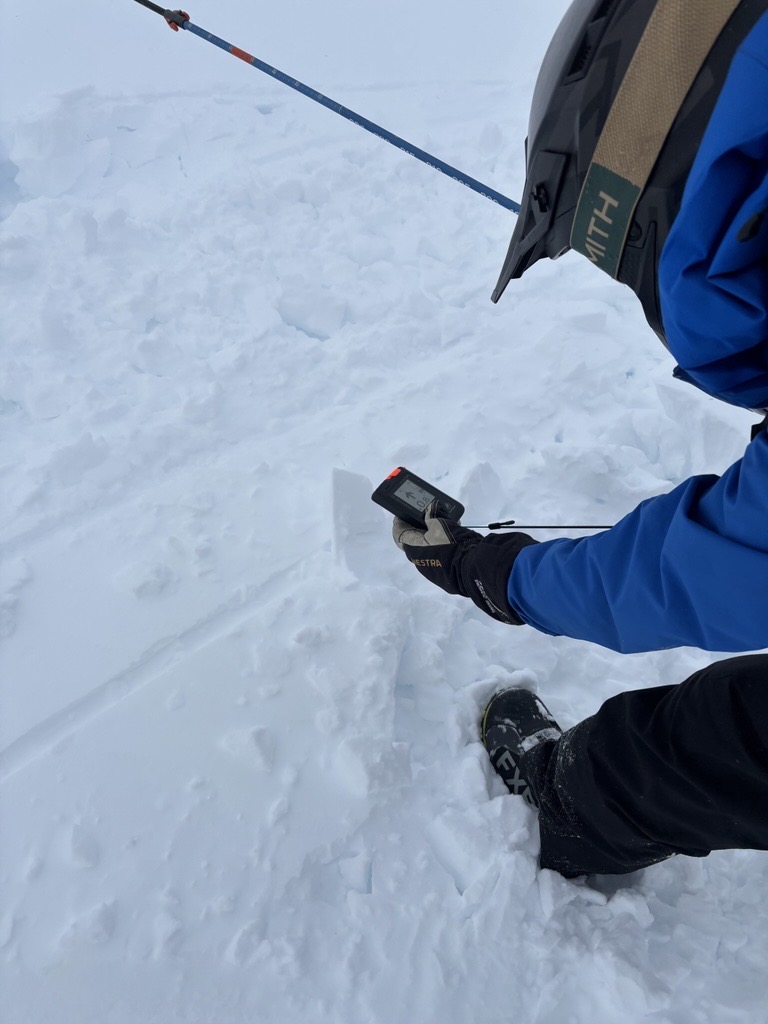
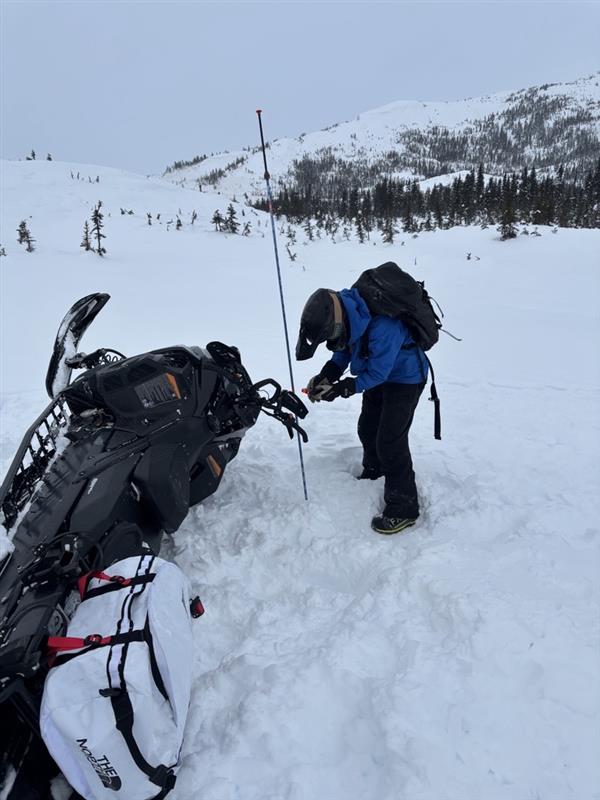
Frigid temperatures and strong winds kept us close to camp today. When the weather limits travel options, it’s a great opportunity to sharpen the fundamentals — especially companion rescue skills. Today we focused on exploring how sled interference impacts transceiver searches.
Key Takeaways:
- Sleds can cause significant signal interference during a transceiver search.
- If the sled is causing you interference to a prohibitive level in your search, consider moving it if easy to do so.
- Secure loose clothing and manage layers before beginning a search.
- Expect gear challenges in cold conditions — practice with your equipment in realistic environments. Like frozen probes.
If you don’t use it, you lose it. We practice at least once a month to stay sharp and keep rescue skills automatic.