- Date
- Tuesday, January 20, 2015
Kakwa MEGA field day
Wow, what a day! We got up at 05:00 and managed to get on the road just before 06:00. With the truck and sleds topped right up with fuel, we made the 150 km drive to Lick Creek staging. After another 50 km of sledding on the groomed road we made it to Kakwa Lake. There was around 10 cm of new snow below treeline and closer to 20 cm at Treeline. The new snow was getting pushed around by moderate SW winds which initiated an avalanche cycle to size 2 on the bigger alpine features. If you’d like some more details, check out our Mountain Information Network submission from today.
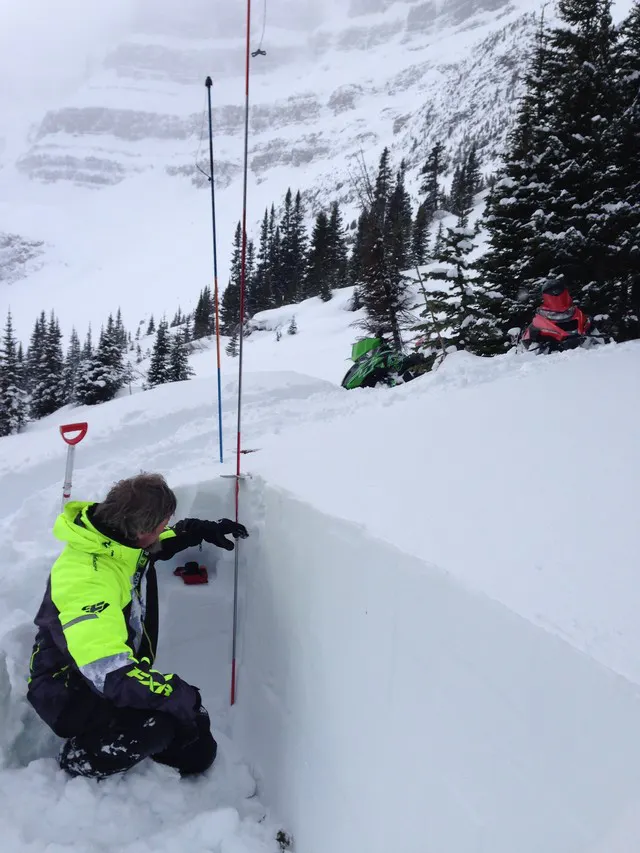
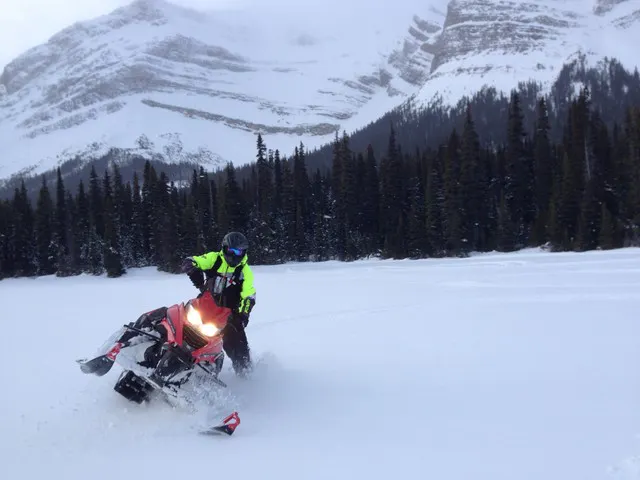
We had visions of a big day of travel on the sleds, but the weather wasn’t co-operating for that kind of mission, so we spent the day boondocking around treeline colleting observations instead.
Compression tests produced consistent failures in the late December surface hoar which is down around 60 cm, and we got a few results on facets above the mid–December crust down around 75 cm. We could not get any results out of extended column tests on either of these interfaces though. Hand hardness shows that the mid-pack is tightening up nicely and even the early season facets are consolidating. But, we only saw a small part of the Kakwa and I’m sure there’s a lot of variability, even in this sub region of the North Rockies.
I was surprised by how little snow is below treeline. At the valley bottom the snowpack height is between 50 – 75 cm. This means that there are still a lot of open creeks and otherwise inviting meadows are hiding stumps close to the surface.
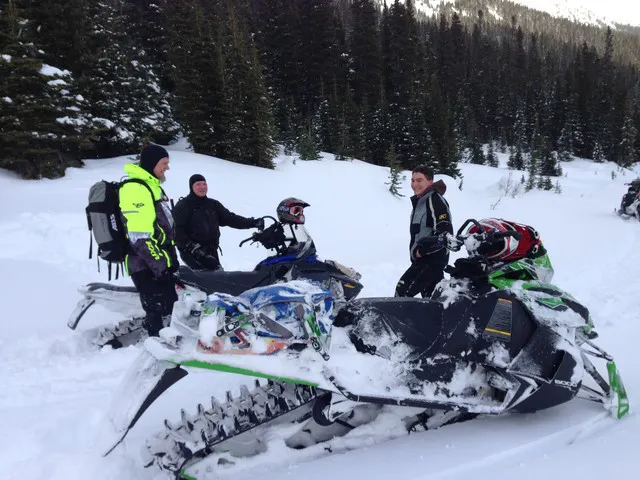
We met up with two sledders from Grande Prairie late in the day near Babette Lake. It sounded like they'd had a great day and we were psyched to see that they were traveling with all of their avalanche rescue gear. After what was starting to feel like a big day out we started the 200 km journey back to Grande Prairie for some much needed rest, and finally made it back at 20:00.
We’re headed home tomorrow. It’s been a great trip! We’ve had the chance to meet with a lot of folks who are super passionate about mountain sledding. We know that folks in the North Rockies want good public avalanche safety products. With the release of the Mountain Information Network, the ball is in the users court. YOU have the power to tell us what’s going on in your favorite riding areas which will in turn help us to write better reports. In the past, we would end up writing reports without any field observations, which makes it extremely difficult to put a meaningful product together. So, help us, help you! Let’s see those Mountain Information Network observations! There’s a tutorial on how to submit via computer here. We’ll have a mobile app how to in the near future as well.